

Order includes Free: ESA Fastpass ID & Televet Services

ESA “Registration”: What You Really Need to Know

If you’ve been looking into registering an emotional support animal, you’ve probably seen plenty of websites offering quick ESA registration, ID cards, or certificates. It can be tempting to think those are necessary—but here’s the reality: there is no official federal or government registry for emotional support animals, and no law requires one.

The only thing that truly matters is a valid ESA letter from a licensed mental health or medical professional. This letter confirms your emotional need and is the only document that gives you legal protections under the Fair Housing Act.

At Support Pets, we focus on what actually matters. Our process is simple, secure, and compassionate, helping you obtain the documentation you need so your emotional support cat or dog can stay with you, supported and protected.

Support Pets provides ESA documentation exclusively for cats and dogs through licensed practitioners. Services are not available in California, Colorado, Louisiana, or Arkansas, and substantial limitations apply.

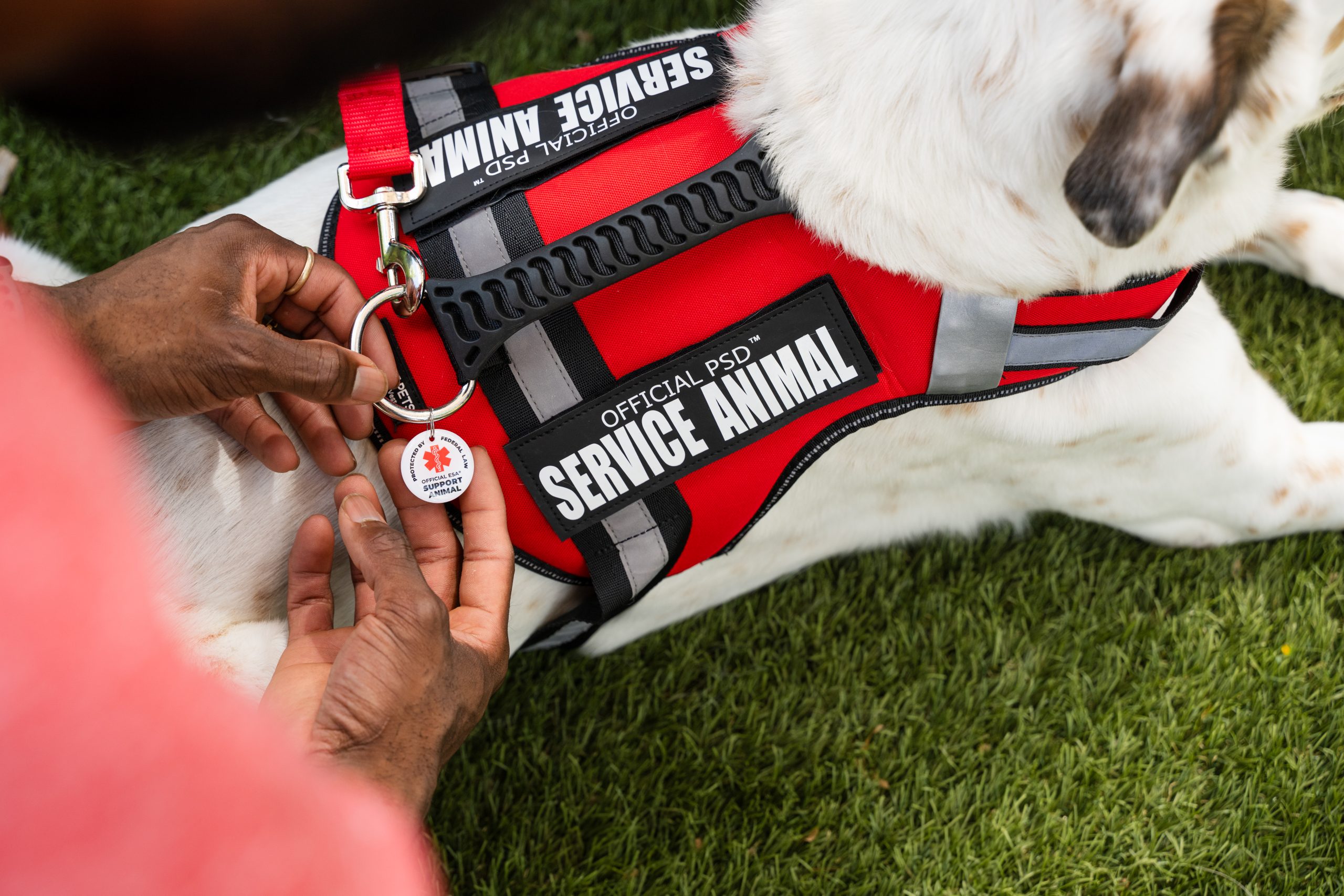
Is ESA Registration Legitimate?

Let’s set the record straight: There is no official ESA registry—either federally or at the state level—so "ESA registration" isn't legally required.

Many websites claim to offer “official” ESA registration, but the documents they provide don’t carry legal weight. Landlords aren’t obligated to accept them, and in many cases, they don’t.

What you really need to secure housing rights is a legitimate ESA letter from a licensed medical professional.

At Support Pets, we focus on what matters: a quick, secure process that connects you with the right professionals—no fake registries, just the genuine support you need.

The Truth About ESA Registration: What You Really Need to Know

If you've been told to register your emotional support animal (ESA) — whether it's a cat or a dog — you're not alone. And it's totally understandable if you're feeling confused. Many websites make ESA registration seem official, but here's the truth: it's not.

No need for an ID badge, certificate, or registry listing. What you truly need is something more important and legally recognized: an ESA letter from a licensed mental health professional.

This letter does several key things for you:

  • Secures your housing rights: It ensures you can live with your emotional support animal, regardless of pet policies.
  • Strengthens the bond with your pet: Your animal is more than a companion; they're an essential part of your well-being.
  • Clarifies your legal protections to landlords: It helps landlords understand your rights under federal law, so you're not at risk of discrimination.
  • Gain confidence knowing your rights are recognized and protected

At Support Pets, we focus on clarity and compassion. We provide real answers, not confusing jargon, so you can confidently move forward with the support you need.

Note: Support Pets offers ESA documentation exclusively through licensed professionals. Available only for cats and dogs. Certain limitations apply. Not available in California, Colorado, Louisiana, or Arkansas.

The Truth About ESA Registration: What You Really Need to Know

If you've been told to register your emotional support animal (ESA) — whether it's a cat or a dog — you're not alone. And it's totally understandable if you're feeling confused. Many websites make ESA registration seem official, but here's the truth: it's not.

No need for an ID badge, certificate, or registry listing. What you truly need is something more important and legally recognized: an ESA letter from a licensed mental health professional.

This letter does several key things for you:

  • Secures your housing rights: It ensures you can live with your emotional support animal, regardless of pet policies.
  • Strengthens the bond with your pet: Your animal is more than a companion; they're an essential part of your well-being.
  • Clarifies your legal protections to landlords: It helps landlords understand your rights under federal law, so you're not at risk of discrimination.
  • Gain confidence knowing your rights are recognized and protected

At Support Pets, we focus on clarity and compassion. We provide real answers, not confusing jargon, so you can confidently move forward with the support you need.

Note: Support Pets offers ESA documentation exclusively through licensed professionals. Available only for cats and dogs. Certain limitations apply. Not available in California, Colorado, Louisiana, or Arkansas.

What You Really Need: The ESA Letter

Forget about flashy ID cards or online registration sites. If you want to live with your emotional support cat or dog, even in no-pet housing, what you actually need is an ESA letter.

This legally recognized document—written by a licensed medical professional—confirms your emotional need for support, ensuring you and your pet have the protection you deserve.

At Support Pets, we make the process straightforward: no appointments, no unnecessary paperwork, and absolutely no stress.

With a valid ESA letter, you gain the right to:

  • Live in no-pet housing with your emotional support cat or dog
  • Live in no-pet housing with your emotional support cat or dog
  • Live in no-pet housing with your emotional support cat or dog

Live in no-pet housing with your emotional support cat or dog

What a Legitimate ESA Letter Really Includes

A real ESA letter isn’t just a friendly statement—it’s a legal document with very specific requirements. If it’s missing key elements, it won’t protect you.

ESA approval formalizes that bond and gives it legal recognition. It’s not about special treatment; it’s about ensuring you have the security and support you rely on.

A valid ESA letter must include:

  • A clear statement confirming you have an emotional or psychological need (No medical diagnosis or personal condition details are required.)
  • Verification that your cat or dog provides essential emotional support
  • The licensed practitioner’s credentials, including their license number
  • The date the letter was issued, along with professional contact information
  • Fair Housing Act–compliant language, confirming your housing rights

At Support Pets, every ESA letter is reviewed by a licensed practitioner and crafted to meet federal legal standards—so you’re protected from day one.

Support Pets provides ESA documentation through licensed practitioners. Cats and dogs only. Substantial limitations apply. Not available in California, Colorado, Louisiana, or Arkansas.

Fair Housing Act & Emotional Support Animals

No one should ever have to choose between a home and their emotional support animal. The Fair Housing Act (FHA) makes sure you don’t have to. For people who rely on ESAs, their well-being, stability, and daily functioning are deeply connected to having their support animal by their side. Whether it’s managing stress, navigating daily challenges, or providing consistent comfort, an ESA can be an essential part of a person’s life.

Thanks to the protections in the FHA, individuals with emotional support animals have specific housing rights that ensure fair access—regardless of a property’s usual pet policies.

If you're thinking about getting an emotional support animal, or if you're dealing with housing issues involving your ESA, we’ve created a simple, helpful guide to help you fully understand your protections under the federal Fair Housing Act.

What Is the Federal Fair Housing Act?

The Federal Fair Housing Act (FHA) is a civil rights law designed to protect people from discrimination in housing. It ensures that individuals cannot be treated unfairly because of their disability, religion, race, color, national origin, sex, or familial status. These protections apply whether someone is renting a home, buying a home, applying for a mortgage, or seeking housing assistance.

Under the FHA, it is illegal for a property owner or housing provider to:

  • Impose different terms, conditions, or fees based on any protected characteristic
  • Charge higher rents or sale prices for discriminatory reasons
  • Limit access to services, amenities, or privileges
  • Fail to properly maintain a property for discriminatory reasons
  • Harass a resident or deny reasonable accommodations connected to a disability

While the FHA offers broad protection, the law also recognizes a few reasonable exemptions. The following types of housing are generally not required to comply with all FHA rules:

  • Housing owned by religious organizations
  • Private clubs that provide housing to members only
  • Single-family homes sold or rented directly by the owner (with some limitations)
  • Owner-occupied buildings with four or fewer units

These exemptions are carefully defined, but the core purpose of the FHA remains clear: to ensure equal access to safe, fair, and discrimination-free housing for all.

The Fair Housing Act and Emotional Support Animals

Under the Fair Housing Act (FHA), an emotional support animal is recognized as an essential aid for individuals with disabilities. Because of this classification, ESAs are not treated as pets, meaning they are exempt from “no-pet” rules and many standard pet-related restrictions in housing.

If you have a mental, emotional, or psychological disability recognized in the Diagnostic and Statistical Manual of Mental Disorders (DSM), you may qualify for protections under the FHA.

According to the U.S. Department of Housing and Urban Development (HUD)—the agency that enforces the FHA—housing providers must evaluate ESA requests by answering two straightforward questions:

  • Does the person requesting the ESA have a diagnosed disability?
  • Does the person have a disability-related need for the emotional support animal?

If the answer to both questions is yes, the housing provider is legally required to grant a reasonable accommodation, allowing you to live with your emotional support animal.

If the answer to either question is no, the housing provider may lawfully deny the request.

However, it’s crucial to understand this:

A landlord cannot reject your request simply because they’re unsure about your disability or your need for an ESA.

Your ESA letter—issued by a licensed professional—provides the necessary documentation to verify both your disability status (without revealing personal medical details) and your disability-related need for an emotional support animal. This removes any ambiguity for the housing provider and supports your rights under federal law.

What “Reasonable Accommodation” Means Under the FHA

The Fair Housing Act requires housing providers to make reasonable accommodations for emotional support animals—meaning they must adjust their usual policies to allow an ESA when it’s necessary for a person with a disability.

However, the law also recognizes that accommodation isn’t always possible in every situation.

A landlord may legally deny an ESA request only under specific circumstances, such as:

  • Undue financial or administrative burden:

    If the housing provider can demonstrate that allowing the ESA would cause significant financial hardship or unreasonable administrative difficulty.
  • Licensed practitioner review

    A U.S.-licensed healthcare professional will evaluate your submission. In some cases, they may reach out with additional questions to better understand your needs.
  • The animal is too large or impractical for the housing environment:

    For example, requesting to keep a horse in a small apartment would not be considered reasonable.
  • History of damage or safety risks:

    If the ESA has caused property destruction or has threatened or harmed other tenants, the landlord may revoke the accommodation.
  • Owner-occupied buildings with four or fewer units:

    These properties are exempt from many FHA requirements, and ESA requests can be declined.
  • Housing run by religious organizations or private membership clubs:

    Because these are exempt from FHA guidelines, they are not required to accept emotional support animals.
  • Single-family homes sold or rented directly by the owner:

    These properties generally fall outside FHA protections.

It’s equally important to remember that ESA owners have responsibilities as well. This includes obtaining valid documentation, submitting requests in a timely manner, and ensuring their animal behaves appropriately and safely.

What Documents Can a Landlord Require for an ESA?

Whether you're searching for a new place to live or planning to request ESA accommodation where you already reside, you’ll need the correct documentation to move forward. A landlord is legally allowed to request one specific document:

a valid ESA letter issued by a licensed healthcare professional.

This letter serves as your official proof that you qualify for an emotional support animal under the Fair Housing Act. It confirms your disability-related need for the animal—without revealing sensitive medical details—and is the key document to have ready before beginning any conversation with a housing provider.

What Documents Can a Landlord Not Require for an ESA?

Because many landlords are unfamiliar with ESA laws, they may ask for documents that you are not obligated to provide. Under the Fair Housing Act:

a valid ESA letter issued by a licensed healthcare professional.

Because many landlords are unfamiliar with ESA laws, they may ask for documents that you are not obligated to provide. Under the Fair Housing Act:

  • A landlord cannot request your medical records
  • A landlord cannot ask for your specific diagnosis
  • A landlord cannot require ESA “registration,” “certification,” or proof of inclusion in a national database

These items simply do not exist—there is no federally recognized ESA registry or certification system. Your ESA letter is the only documentation required to establish your eligibility.

Any additional requests for medical details or non-existent certifications are outside the landlord’s legal authority and violate your privacy rights.

How to Get an ESA Letter for Housing

Getting an ESA letter is simple when you work with a qualified provider. Because only a licensed mental health professional can issue a legally valid ESA letter, it’s important to connect with someone trained to evaluate emotional and psychological needs—like the practitioners at Support Pets.

How it works:

  • Meet with a licensed provider who evaluates your mental or emotional needs.
  • If you qualify, the provider issues your ESA letter (valid for one year).

A compliant ESA letter must include:

  • Your name
  • A statement confirming you have a qualifying disability
  • A statement that your ESA helps meet a disability-related need
  • The provider’s letterhead, signature, license number, and practice location

Some letters may also include details about your animal for identification.

Once you have your ESA letter, you can submit your reasonable accommodation request under the Fair Housing Act.

Emotional Support Animals and Housing: Tips

Securing housing for your ESA can be simple if you follow a few key tips:

1. Communicate Clearly and Honestly

Always be upfront with your landlord about your ESA. Providing proper documentation early helps ensure reasonable accommodation and prevents misunderstandings.

2. Ensure Proper Behavior

While ESAs don’t need formal training, they must behave appropriately. Aggression, excessive noise, or property damage can cause problems and may lead to denial of ESA accommodation.

3. Know Your Rights

Understanding ESA protections under the Fair Housing Act (FHA) helps you advocate for yourself and educate landlords who may be unaware of ESA laws.

What to Do if Your Landlord Denies Your ESA

  • Request a formal written explanation for the denial.
  • Respond calmly, stating you have provided all legally required documentation and plan to contact HUD if necessary.
  • File a complaint with HUD if the issue isn’t resolved.

ESA & Housing FAQs

  • Landlords must make reasonable accommodations under the FHA, but some exceptions apply (small owner-occupied units, religious housing, private clubs, etc.).
  • ESAs are not pets; no pet rent or deposits are allowed.
  • There is no official ESA registration or certification required.
  • College dorms must provide reasonable accommodation for qualified ESAs.
  • ESA owners are responsible for any damages or harm caused by their animal.

Protect Your ESA Housing Rights

Getting a doctor-issued ESA letter is the key step. Support Pets makes it simple:

  • Complete a short online questionnaire
  • Connect with a licensed medical professional
  • Receive your ESA letter within 24–48 hours if you qualify

With a valid ESA letter, you can request reasonable accommodation under the Fair Housing Act—even in “no pets” housing.

© 2025 - PSA Pets - All rights reserved